Tuscaloosa And Huntsville Are Booming, Birmingham Shrinks
The U.S. Census Bureau’s Vintage 2025 population estimates for cities and towns were released yesterday revealing interesting developments in Alabama.
Tuscaloosa and Huntsville are bucking the trend of larger cities in the state losing population. Major hubs like Birmingham, Mobile, and Montgomery have each lost residents since the 2020 census. Birmingham, once the state's largest city, is down to 196,000 from near 400,000 in the 1960s.
28 of 65 cities in Alabama (with at least 10,000 residents) have lost people since the 2020 census.

The current top ten cities in Alabama by population, according to estimate are:
- Huntsville: 225,500+ residents
- Birmingham: 196,500+ residents
- Montgomery: 195,200+ residents
- Mobile: 182,500+ residents
- Tuscaloosa: 114,200+ residents
- Hoover: 93,100+ residents
- Auburn: 87,100+ residents
- Dothan: 71,900+ residents
- Madison: 61,300+ residents
- Decatur: 58,300+ residents
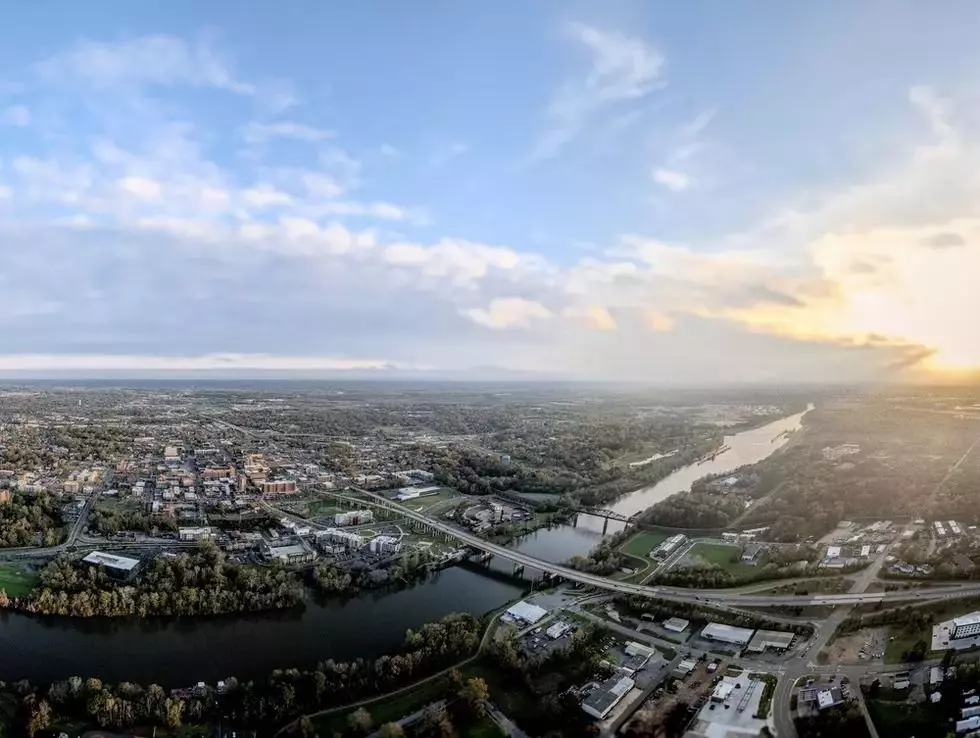
Tuscaloosa is estimated to have grown by over 13% since the 2020 census was taken. At that time the original census showed Tuscaloosa at 99,600 but upon appeal by the city the figure was raised to 100,000. The rapid growth is attributable to expansion at Mercedes and UA, new business and industry and migration of smaller West Alabama counties.
Northport is ranked as the 21st largest city in the state with a population of 31,400+ residents. The city's population has grown significantly since 1960 when there were some 6,000 living in the city north of the Black Warrior River.
The Baldwin County City of Foley with 30,300+ residents is Alabama's fastest-growing city (7.8% growth) among those with 10,000+ residents.
Tuscaloosa County saw a slight loss in domestic migration since 2020, meaning populations moving from county to county. Madison and its neighbor to the west, Morgan, saw significant increases.
Huntsville is adding 11 people a day to their population. The city's growth is attributable to rapid growth in the aerospace industry, auto industry development, and the move of a major FBI installation to the Rocket City. The addition of the U.S. Space Command will add thousands more to the population.
Populations are being lost in more rural West Alabama areas. Below is a representative sample of rural cities and towns that have experienced population drops:
- Aliceville: Down 133 to 2,044 residents.
- Brent: Down 103 to 4,396 residents.
- Brookwood: Down 36 to 2,462 residents.
- Centreville: Down 70 to 2,725 residents.
- Carrolton: Down by 51 to 970 residents.
- Carbon Hill: Down 38 to 1,729 residents.
- Fayette: Down 195 to 4,090 residents.
- Gordo: Down 69 to 1,566 residents.
- Greensboro: Down 22 to 2,194 residents.
- Jasper: Down 36 to 14,559 residents.
- Linden: Down 145 to 1,818 residents.
- Livingston: Down 290 to 3,142 residents.
- Marion: Down 494 to 2,681 residents.
- Oakman: Down 13 to 756 residents.
- Reform: Down 88 to 1,431 residents.
- Sulligent: Down 76 to 1,817 residents.
- Uniontown: Down 182 to 1,926 residents.
- West Blocton: Down 17 to 1m198 residents.
- York: Down 141 to 2,279.
There are some smaller towns that have grown, including Lake View in Northeast Tuscaloosa County, Moundville on the Tuscaloosa/Hale County line, Newbern in Hale County, Vance in Tuscaloosa County, and Woodstock in Bibb County.
McMullen in Pickens County remains Alabama's smallest incorporated town by area, covering only 0.1 square miles, and is consistently one of the smallest by population with 17 people living there.
The south overall is the fastest growing region in the United State.
More From Tuscaloosa Thread