
State Senator Files Bill Stiffening Penalties for Political Attacks
Pre-filed bills are pouring into the hopper at the Alabama Statehouse as the clock ticks down toward January's regular session of the state legislature.
The most recent is Senate Bill 20 which would add physical attacks on current and former local, state, and federal public officials to Alabama’s definition of a second-degree assault, which is a Class C felony and has a minimum penalty of one year and one day in prison.
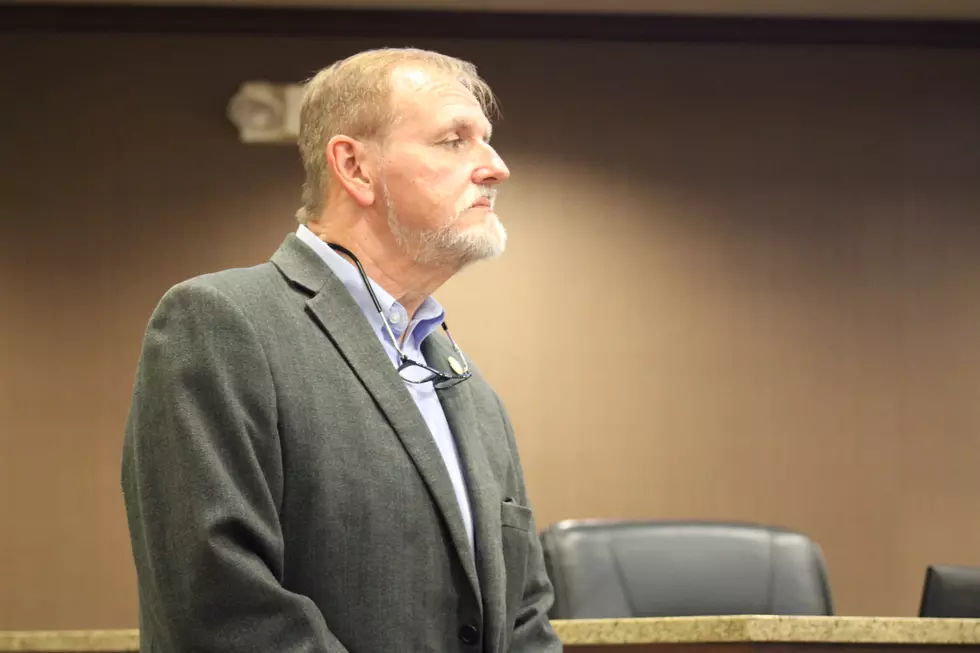
Daphne Republican State Senator Chris Elliott says he has submitted the bill to address the troubling trend of political violence at all levels.

Evans' concern matches that of Americans overall. About 63% say they are more concerned about political violence now than they were at the beginning of this year, according to a new poll conducted by Hinckley Institute of Politics. Of those, 40% said they were "much more" concerned, compared to 23% who said they were only "somewhat concerned."
The political assassination of conservative political activist Charlie Kirk has grabbed the biggest headlines but there is a growing trend of physical attacks on political leaders at all levels of governance. There have been shootings at private residences of politicians, at city council and county commissions, and zoning board meetings across the country.
72% of those polled by YouGov after the Kirk murder said political violence is never acceptable, while 11 percent said it can sometimes be justified. Another 12 percent said they were not sure, and 6 percent preferred not to answer. The Sept. 10 poll shows the more liberal respondents were, the more likely they were to say violence can sometimes be justified.
Among the more recent incidents, former Democratic Minnesota House Speaker Melissa Hortman and her husband were fatally shot in what authorities have called a politically motivated assassination.
A Molotov Cocktail did extensive damage to the Pennsylvania governor's residence while the state's first family was home. An arson attack occurred at the state Republican Party headquarters in New Mexico, and a shooting at the Centers for Disease Control and Prevention in Atlanta mark some of the higher-profile instances of political violence.
Sociologists point to several reasons for the rise in political violence, including deep political polarization, the normalization of violent rhetoric, and the role of social media in amplifying conspiracy theories and hostility.
Politicians themselves have helped contribute to the anger, but the hyperbole they use in describing their opponents in elections. The advent of news talk and incessant cable news commentary has also fueled the fire.
“It’s imperative that we change the public’s view on what is appropriate interaction with a public official and what’s not,” Elliot noted in his press release.
For more coverage of news in west Alabama, stay connected to the Tuscaloosa Thread.
Top Stories from the Tuscaloosa Thread (9/15 - 9/22)
Gallery Credit: (Stephen Dethrage | Tuscaloosa Thread)
More From Tuscaloosa Thread