
What Happened in the Alabama Legislature This Week?
The election year has rapidly pushed a great deal of legislation through the statehouse since the 2026 session began in January. But lawmakers, like school kids across the state, are taking a spring break next week to catch their breath. They will also no doubt get some campaigning in.
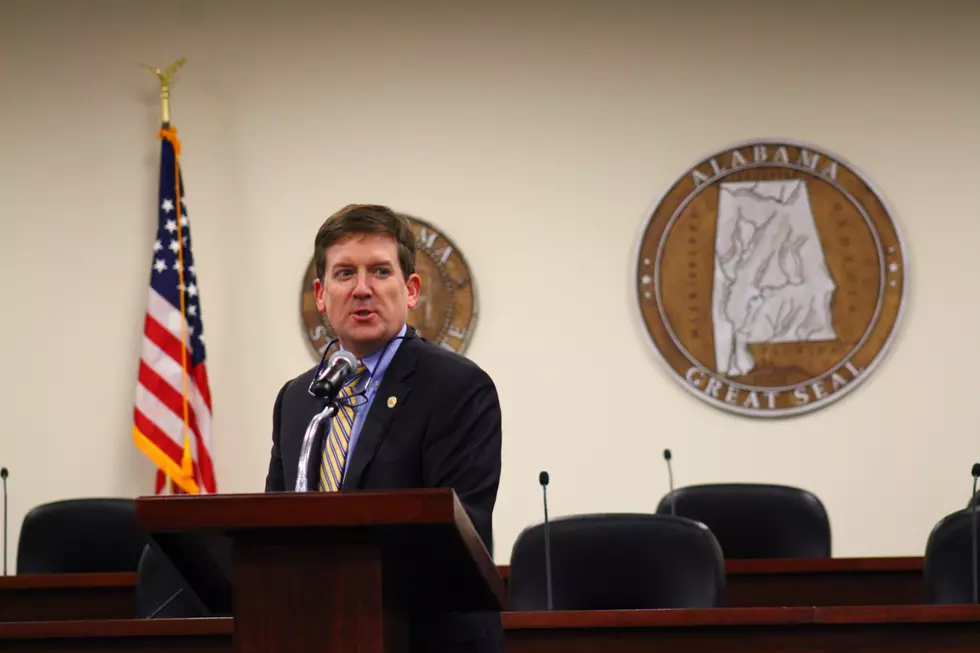
Before heading out the door Thursday, legislators pushed through quite a few bills but also dealt with controversy. The bill that has sparked the most contentious debate is whether to leave party primaries "open" or to "close" them. House Bill 541 (known as the SAVE Act), by Colbert/Lawrence/Morgan County Rep. Ernie Yarbrough (R-7) would require voters to register their party affiliation and would only be able to cast ballots in their party primaries. That would end crossover voting and preclude independents from primaries. Voters would be able to switch parties but would have to do it within 60 days of an election.
Democrats see the measure as disenfranchisement, some suggesting a quasi-return to the "Jim Crow" era. Some Republicans worry that closing primaries will blunt growth of the GOP in the state with almost half of registered voters identifying as independent. But Yarbrough and others emphasize the "party" in primaries, suggesting those who don't belong to the party should not be able to decide what candidates represent it.
Tuscaloosa Rep. Curtis Travis (D-72) told fellow lawmakers that Yarbrough’s bill will reduce voter participation.
“Every new requirement becomes another barrier and at a time when we should be encouraging more people to engage in the democratic process, we should not be adding obstacles,” he said after the legislation passed. “The government’s role is to protect the right to vote, not define a voter’s political identity.”
After lengthy and sometimes loud debate, the house approved the measure 63-35-3. All Republican members of the West Alabama House Delegation except Bibb/Shelby/Chilton counties Rep. Russell Bedsole (R-49) voted in favor of the bill.
The bill now moves on to the Senate where the upper chamber will have six days remaining in the session to act after they return from next week's spring break
If passed, the law would not become active until January 1, 2027, and would not impact this year's elections.

What other actions took place in the legislature this week? (NOTE: Only legislation with statewide implications or sponsored by West Alabama Legislative Delegation members as highlighted are listed)
The House
House Bill 7, Increases the penalties for making terrorist threat in the first degree to a Class B felony, punishable by up to 20 years in prison; allows a terrorist threat in the second degree to be classified as a Class D felony if the person convicted has a prior record of making threats, and requires school principals to notify law enforcement of student terrorist threats and suspend them for at least 30 days. It passed 29-3 with an amendment. It goes back to the House for concurrence or conference committee.
House Bill 13, Allows local law enforcement to collaborate with federal agencies to enforce immigration laws. The bill passed 76-1. It moves to the Senate.
House Bill 16 sponsored by Tuscaloosa Rep. Bill Lamb (R-62) authorizes the Secretary of State to impose civil penalties of the Fair Campaigns Practice Act by notifying the individual in violation by email and limiting certified mail notice to those penalties imposed that cost more than the cost of sending certified mail. The bill passed 77-5. It moves to the Senate.
House Bill 278, Expands and makes the income tax for qualified volunteer firefighters or other rescue squad members who obtain Firefighter I or EMT-Basic Training permanent. The bill passed 102-0. It moves to the Senate.
House Bill 289, Prohibits the inclusion of the date of deposition on death certificates. The bill passed 26-0. It goes to Gov. Kay Ivey.
House Bill 303, Requires operators of cryptocurrency kiosks to clearly disclose all terms and conditions for the use of its products and provide the customer with a specific warning, outlined in the legislation. The bill passed 30-0 with an amendment. It goes back to the House for concurrence or conference committee.
House Bill 315, Authorizes the governing body of cities with over 300,000 residents to enforce blighted property registration ordinances. The bill passed 27-0. It moves to the Senate.
House Bill 354, Creates a talent recruitment grant program operated by the Department of Workforce. The bill passed 91-0. It moves to the Senate.
House Bill 383, sponsored by Tuscaloosa Rep. Bill Lamb (R-62) authorizes a probationary period for new hires and allows some employees for Tuscaloosa County to work part-time. The bill passed 34-0. It goes to Gov. Kay Ivey.
House Bill 384, sponsored by Pickens/Tuscaloosa Rep. Ron Bolton (R-61), extends a $60 processing fee on documents processed by the Tuscaloosa County Sheriff’s Office to mental health documents and orders issued by the local probate judge. The bill passed 34-0. It goes to Gov. Kay Ivey.
House Bill 385, sponsored by Pickens/Tuscaloosa Rep. Ron Bolton (R-61) authorizes the Tuscaloosa County Tax Assessor and Tax Collector to establish a process for people to file business and personal property tax returns. The bill passed 34-0. It goes to Gov. Kay Ivey.
House Bill 395, Changes the definition of “cost of merchandise” for the Alcoholic Beverage Control Board from 16.99% of merchandise and freight costs to only include the amount the board pays for case lots of alcohol. The bill passed 76-13. It moves to the Senate
House Bill 413, sponsored by Pickens/Tuscaloosa Rep. Ron Bolton (R-61), gives annual longevity pay to the sheriff, tax assessor and tax creditor in Tuscaloosa County. The bill passed 34-0. It goes to Gov. Kay Ivey.
House Bill 403, Requires data centers to pay for the additional electricity that the data center would use as part of its operations. The bill passed 104-0. It moves to the Senate.
House Bill 405, Makes third degree bail jumping a Class C misdemeanor punishable by up to three months in jail and a $500 fine. The bill passed 30-0. It goes to Gov. Kay Ivey.
House Bill 426, Creates the Alabama Property Protection Act of 2026 to prevent real estate title fraud, authorizing the Alabama Securities Commission to accept complaints and investigate certain allegations of fraud. The bill passed 105-0. It moves to the Senate.
House Bill 431, Establishes the Study Commission on Carbon Dioxide Storage Facility Fees and requires carbon dioxide facility operators to provide a notice of filling an approval petition for a facility with the board to local governments and allow them to participate in petition hearings. The bill passed 61-10. It moves to the Senate.
House Bill 433, Requires the redaction of addresses of principal campaign committees on all campaign filings. The bill passed 105-0. It moves to the Senate.
House Bill 444, Authorizes the Commissioner of Agriculture and Industries to test seafood to ensure country of origin labeling requirements. The bill passed 99-1. It moves to the Senate.
House Bill 475, sponsored by Rep. Mack Butler, R-Rainbow City, requires the Public Service Commission to hold formal rate hearings on state electricity prices every three years. The bill passed 104-0. It moves to the Senate.
House Bill 496, Allows adjoining homeowners to receive notice of municipal lien foreclosures and have bidding preference in foreclosures of municipal liens. The bill passed 15-0. It moves to the Senate.
House Bill 510, Gives industrial development boards in municipalities with a population between 175,000 and 299,999 residents the power to issue and sell bonds and to acquire, construct, expand, improve, replace, equip, maintain, operate, lease and dispose of development properties. The bill passed 12-0. It moves to the Senate.
House Bill 521 Requires background checks for the board of registrars; the state to pay the boards salaries when affected by county, state or national emergencies; require registrars to be considered for receiving natural disaster, pandemic relief or other emergency funds and allow board members to omit certain information about themselves from the voter information list. The bill passed 102-0. It moves to the Senate.
House Bill 529, Revises the foreclosure process and shortens the time periods for proceeding foreclosure sales, executing foreclosure deeds and filing foreclosure reports for municipalities with a population between 175,000 and 299,999 residents. The bill passed 16-0. It moves to the Senate.
House Bill 533 Expands the type of approved epinephrine to include any Food and Drug Administration approved form of single-dose premeasured epinephrine. The bill passed 105-0. It moves to the Senate.
House Bill 542, Requires the Director of Transportation to reimburse utilities that have an annual gross income of over $250 million and require the director to report that payment information annually to the Legislature. The bill passed 90-0. It moves to the Senate.
House Bill 545, sponsored by Tuscaloosa County Rep. Norman Crow (R-63), allows businesses to round cash transitions to the nearest nickel. The bill passed 100-1. It moves to the Senate.
House Bill 573, sponsored by Clark/Conecuh/Marengo counties Rep. Thomas Jackson (D-68), allows a qualified taxpayer who is 65 years old or older in Perry County to claim a senior property tax exemption. The bill passed 83-0. It moves to the Senate.
House Bill 587, Establishes a service of process fee of $50 for the service or attempted service for matters pending or to be started in a court outside of Alabama and a $100 service or attempted service fee for processing by the sheriff to an inmate at the federal correctional facility in Talladega County. The bill passed 16-0. It moves to the Senate.
House Bill 586, Establishes the Alabama Property Deception Prevention Act to protect property owners from fraudulent, predatory and deceptive real estate investment. The bill passed 82-14. It moves to the Senate.
House Bill 613, sponsored by Marengo/Pickens/Sumter counties Rep. AJ McCampbell (D-71), alters, rearranges and extends the boundary lines and corporate limits of the City of Demopolis in Marengo County. The bill passed 21-0. It moves to the Senate.
The Senate
Senate Bill 22, Changes the appointments of Senate appointees from the Lieutenant Governor to the Senate President Pro Tem. The bill passed 99-0. It goes to Gov. Kay Ivey.
Senate Bill 40, Allows the Contract Review Permanent Legislative Oversight Committee to recommend that the governor not sign a contract brought to the government. The bill passed 103-0. It goes to Gov. Kay Ivey.
Senate Bill 58, Would require public servants found guilty of corruption to pay interest on their restitution payments. The bill passed 100-0. It goes to Gov. Kay Ivey.
Senate Bill 75, Exempts certain materials and equipment for public works contracts applicable to state and local competitive bid laws. The bill passed 31-0. It goes to the House.
Senate Bill 91, Authorizes municipalities to withdraw from multijurisdictional authorities and provides for the use of money previously distributed to those authorities. The bill passed 17-5. It goes to the House.
Senate Bill 118, Creates the Alabama Background Check Service, which allows law enforcement to collect biometric identifiers for noncriminal justice purposes to identify individuals. The bill passed 100-1. It goes to Gov. Kay Ivey.
Senate Bill 159, Amends the Alabama Code to exclude the usage of natural gas or electricity in commercial greenhouses, poultry houses and pivot irrigation systems from gross utility receipts and utility service taxes. The bill passed 29-1. It goes to the House.
Senate Bill 167, Would end a requirement that courts defer to a state agency’s decision in an administrative dispute. The bill passed 105-0. It goes to Gov. Kay Ivey.
Senate Bill 178, Allows trustees to adjust receipts and disbursements between principal and income without requiring the trust to authorize the adjustments. The bill passed 27-0. It goes to the House.
Senate Bill 179, Subjects the Alabama Uniform Trust Code to the same limits as those in the Alabama Qualified Dispositions in Trust Act. The bill passed 27-0. It goes to the House.
Senate Bill 182, Allows the Administrative Office of Courts to use funds from the Advanced Technology and Data Exchange Fund for general operations. The bill passed 94-2. It goes to Ivey.
Senate Bill 185, Authorizes the transit authority in counties with populations larger than 600,000 to participate in business organizations relating to transit operations, land acquisitions, and activities relating to the operation of the authority. The bill passed 18-0. It goes to Gov. Kay Ivey.
Senate Bill 210, sponsored by Fayette/Jefferson/Lamer Sen. Matt Woods (R-5), requires chiropractors practicing in Alabama to be a graduate of a school accredited by the Council of Chiropractic Education or a successor entity. The bill passed 103-0. It goes to Gov. Kay Ivey.
Senate Bill 215, Requires a residential home builder let a homeowner know if they do or do not have liability insurance in writing. The bill passed 105-0. It goes to Gov. Kay Ivey.
Senate Bill 221, Excludes credit card transaction fees from sales and use tax calculations. The bill passed 33-0. It goes to the House.
Senate Bill 304, Prohibits municipalities from levying business licenses from certain business types to work on a project on behalf of the municipality. The bill passed 30-0. It goes to the House.
Sente Bill 325, sponsored by Choctaw/Greene/Hale counties Rep., Senate Minority Leader Bobby Singleton (D-24) exempts the Alabama Industrial Development Training Institute from state procurement law and review by the Joint Legislative Contract Review Committee. The bill passed 30-0. It goes to the House.
Senate Bill 330, Allows judges to issue warrants for certain traffic offenses and misdemeanors remotely. The bill passed 30-0. It goes to the House.
Senate Bill 241, sponsored by Fayette/Jefferson/Lamer Sen. Matt Woods (R-5), allows the Walker County probate judge to appoint temporary judges under specific circumstances so long as the appointment does not last 90 days. The bill passed 12-0. It goes to Ivey.
Senate Bill 247, Would allow health insurers in Alabama to reorganize under a holding company. The bill passed 99-4. It goes to Gov. Kay Ivey.
Senate Bill 287, Allows people licensed by the Alcoholic Beverage Control Board to import alcoholic beverages manufactured from outside Alabama. The bill passed 27-0. It goes to the House.
Senate Bill 294, Gives public officers a 15-day grace period to remedy a bond deficiency before their office is vacated. The bill passed 27-0. It goes to the House.
Senate Bill 341, Establishes the Work Zone Safety Act as a pilot program for a speed enforcement system in interstate highway work zones. The bill passed 32-0. It goes to the House.
-----
After spring break next week, the legislature returns for the final six days of the 2026 session. The Seante will convene at 10:00am on Tuesday, March 31 while the House returns at 1:00pm.
More From Tuscaloosa Thread