
Tuscaloosa Mayor Pitches New Public Safety Purpose for Alberta’s Gateway Learning Center
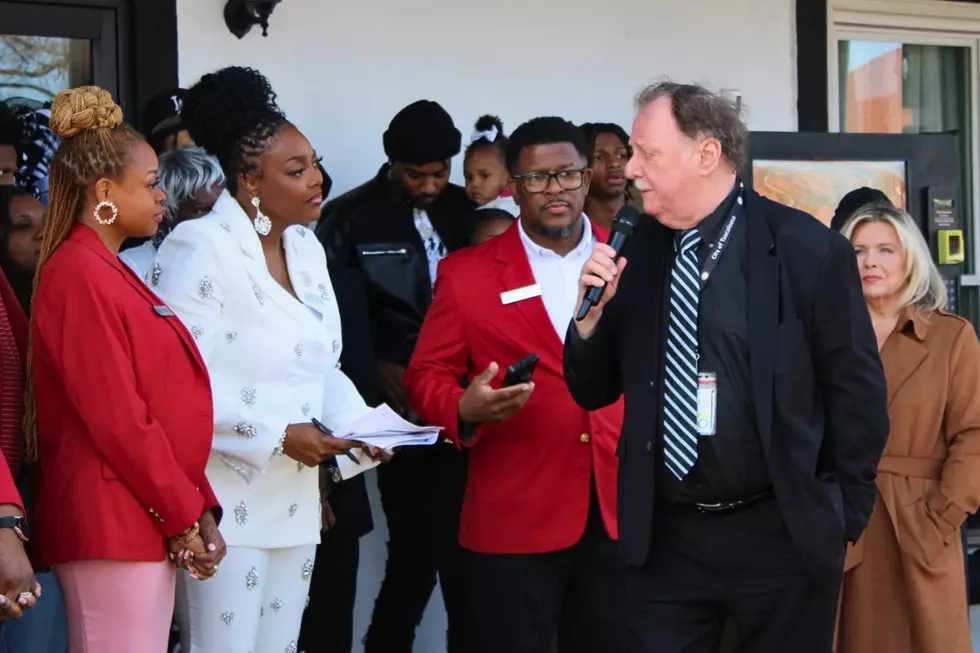
Tuscaloosa Mayor Walt Maddox is asking the city council to consider shutting down a decade-old learning center in Alberta and transforming it into a new public safety hub for all the mental health professionals at the city's police and fire departments.
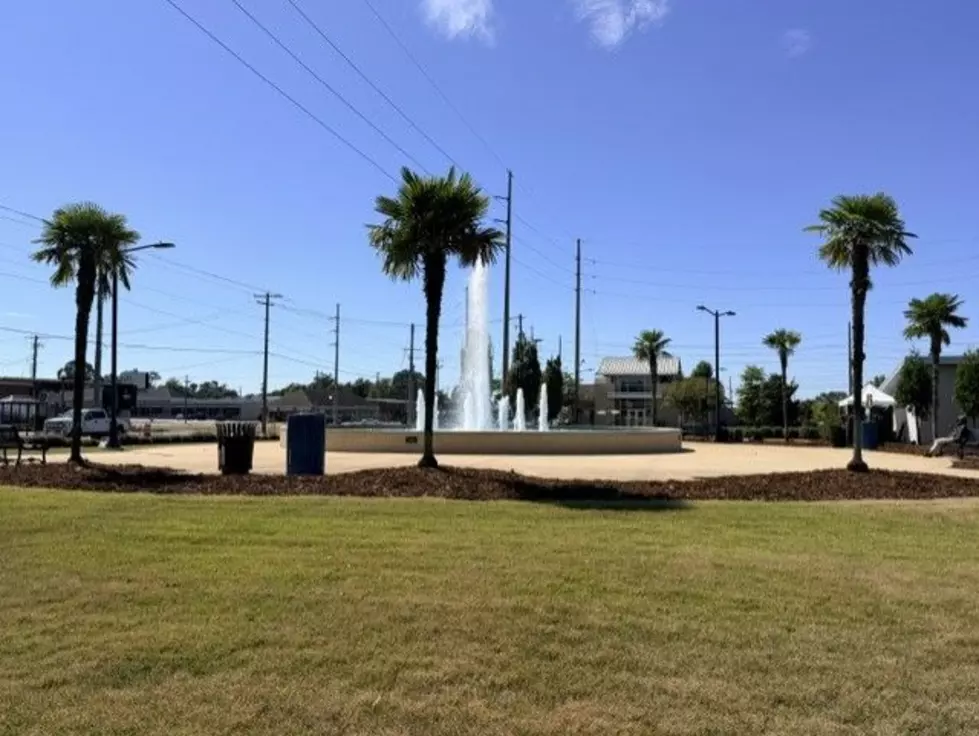
The Gateway Innovation & Discovery Center opened on University Boulevard in June 2016 as a technology resource in the heart of a historically underserved community that was still very much recovering from the devastation of the EF-4 tornado on April 27th, 2011.
Its chief aim was to provide broadband to those who needed it at a time when widespread Internet access was less common, so everyone could get online to study or apply for jobs.
READ MORE: Tuscaloosa Opens Gateway Innovation and Discovery Center in Alberta
On Tuesday, Maddox presented a capital projects proposal to close the Gateway as it has operated for the last 10 years and transform it into a new Public Safety Resource Center for the city.


WHAT'S THE PUBLIC SAFETY RESOURCE CENTER? AND WHY THE GATEWAY?
"As many of you know, the city of Tuscaloosa has been a leader when it comes to looking at behavioral management within the police department and our Fire and Rescue. Not only do we have 26 police officers who are [crisis intervention] trained, we also have four social workers between Tuscaloosa Fire and Rescue and the Tuscaloosa Police Department. We believe it’s time to put all those assets in one place," Maddox told the council. "Our mental health units, our behavioral units, we would like them in one place, under one roof, multi-department, and we believe the Gateway provides the best opportunity to do that."
In a follow-up interview with the Thread on Thursday, Maddox said the learning center was built with funding from the U.S. Department of Housing and Urban Development’s Community Development Block Grant Disaster Relief. He said that while it has been a great asset for Alberta, there is far less need today for a place for folks to get on the Internet.
"I think one thing we didn't realize in 2012, 2013, when we were planning this, is how quickly smartphone technology would take off, because there was this real digital gap everyone was extremely worried about at the time," Maddox said. "But now cellular service has been able to provide something that could initially only be gotten from broadband WiFi, creating less of a need for a Gateway-type center."
And 10 years after it opened, Maddox said it's time for city leaders to look at the usage rate there and think critically about its future.
"The Gateway has never been able to meet the expectations we were hoping for, although it has certainly served our community very well. And it was built with federal funds post-tornado, so that was an opportunity for us to do something and see if it could be successful," Maddox said. "It has been, in the sense that it's a great meeting place for Alberta and the home of great events like Tech-or-Treat that have thousands of attendees, but when you're looking to maximize a space or any city asset, you have to ask if there's something we can do to better accomplish that."

SPENDING $250,000 BUT CUTTING OPERATING COSTS
Maddox said refitting the Gateway and transforming it into a Public Safety hub for crisis intervention officers and social workers would cost around $250,000. He said it would unify TPD and TFR resources for mental health needs in one place and also cut the six-figure annual operating expenses of keeping the Gateway open as a public resource.
"The Gateway has been a great asset in Alberta, but I think it's time for the 2.0, and we think this would be a great resource asset within the Alberta community," Maddox told the council Tuesday. "You'll see a lot of law enforcement and Tuscaloosa Fire and Rescue in that area, but in this case, instead of a police precinct, it'll be a public safety resource center."
Speaking of precincts, right next to the Gateway stands the mostly unused Tuscaloosa Police Department East Precinct. That building was first opened in 2009, then destroyed in the 2011 tornado and rebuilt in 2013.

In an interview last Summer, then TPD police chief Brent Blankley said the East precinct and a similar building in West Tuscaloosa are now primarily used for report-writing, supervisor offices and other relatively mundane tasks.
After Blankley succeeded Steve Anderson as chief, he decided that having the city's officers start their shifts at three different locations was bad for morale and communication.
"Today, all of our officers for patrol meet at our headquarters every day so that the same information is going to everybody. When we had officers muster in at different precincts, not everybody was getting the same information, because when you move people out this way and that way, they’re not seeing each other every day," Blankley said last year. "We wanted to bring that group back together and say, 'Hey, here’s what we need to be looking at. Here’s what’s going on on the shifts.' When you had tons of officers going East and West, the information wasn’t shared."
In a follow-up this week, TPD noted that just because the East and West precincts are no longer used as muster locations, that does not mean those areas of the city now receive fewer police services.
"We have not and are not reducing staffing or visibility in those areas," A TPD spokesperson said. "Officers are still assigned there and responding the same way they always have."
For more coverage of the conversation about the Gateway as it continues and other proposals from the mayor’s capital projects plan, stay connected to the Tuscaloosa Thread.
Top Stories from the Tuscaloosa Thread (4/13 - 4/20)
Gallery Credit: (Stephen Dethrage | Tuscaloosa Thread)
More From Tuscaloosa Thread