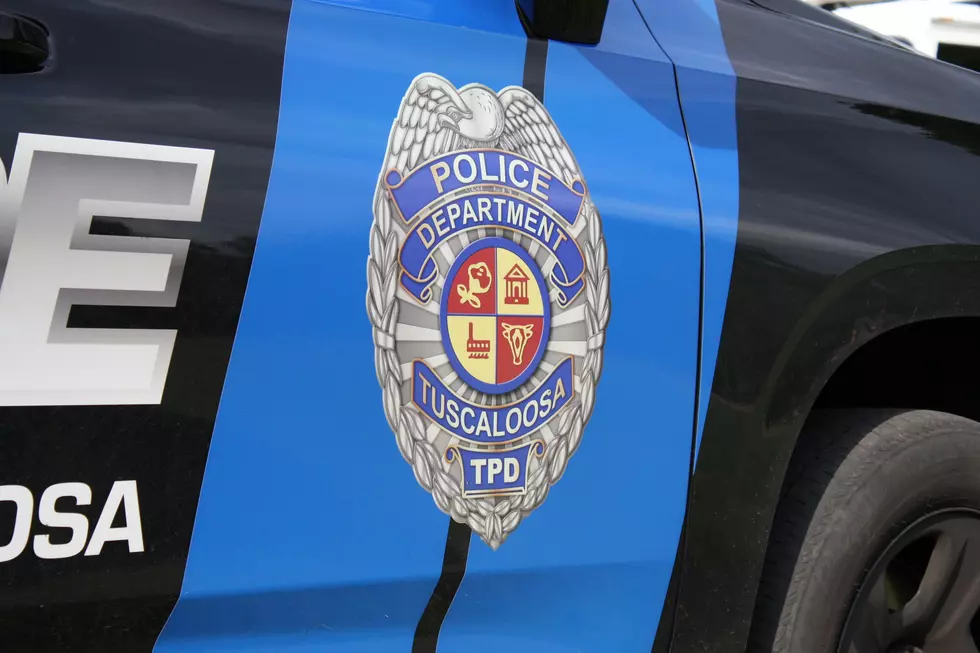

UAPD Issues Scam Alert To Students
An old scam has a new twist; it is now aimed at University of Alabama students. UAPD has issued a "SCAM ALERT" to UA students. "Calls spoofing UAPD’s number may claim to be a UAPD officer and threaten arrest unless you pay or provide personal info," states the alert issued as classes resume following spring break.
The notice advises students that, "UAPD will NEVER ask for payment or personal info. If you get one of these calls, hang up and call 205‑348‑5454."

Some of the scam artists have claimed to be Police Chief Scott Thurmond. They may say you have a warrant and ask for money through a payment app or request personal information online.
Similar calls have been aimed senior citizens across the country and here in West Alabama. They mimic local police or sheriff departments with the calling identifying themselves as an officer or deputy, warning that the person has violated any number of laws and faces legal action and fines and demand immediate payment. They then claim unless payment is made that the person answering the call will be arrested.
The scammer is depending on fear, pressure and immediacy to frighten people into giving their personal information to the fake callers.
The Federal Trade Commission (FTC) has a website that discusses phone scams, how to react, ways to block them and what to do if you have already paid.
The Federal Communications Commission (FCC) also has a website that lists a Scam Glossary.
The number of phone and digital scams are increasing. One prevalent tactic is impersonating trusted entities such as government agencies or well-known companies to lure individuals into giving up personal information or money. Another common ruse includes lottery or sweepstakes scams where persons are told they’ve won a prize but must pay fees upfront to claim it—an outright deception. Understanding these methods can arm you against deceitful practices that could otherwise compromise your personal financial security.
More From Tuscaloosa Thread