
Legislative Budget Committee Hears Education Requests
Federal COVID-19 relief funding in 2021 and 2022 bolstered the Alabama Education Trust Fund (ETF) budget, leading to higher spending capacities. But those days of surpluses are coming to an end and that is making the work on the Joint Legislative Budget Committee, which heard about education funding needs yesterday, that much more difficult.
ETF receipts are down 2.3% for the current fiscal year at the same time that major education expenses and teacher healthcare costs continue to rise. Teacher pay, cost of facility operations, Federal Medicare cuts for retirees, increased hospital, pharmaceutical and physician costs, inflation, plus retirees living longer have created a perfect storm for state lawmakers to deal with.

In her State of the State Address, Gov. Ivey proposed a record $10.5 billion education budget. That has put state lawmakers in a quandary of what to do in an election year. How do they make changes to that proposal as well as to a separate $420 million allocation of surplus 2025 tax revenue, known as the supplemental budget.
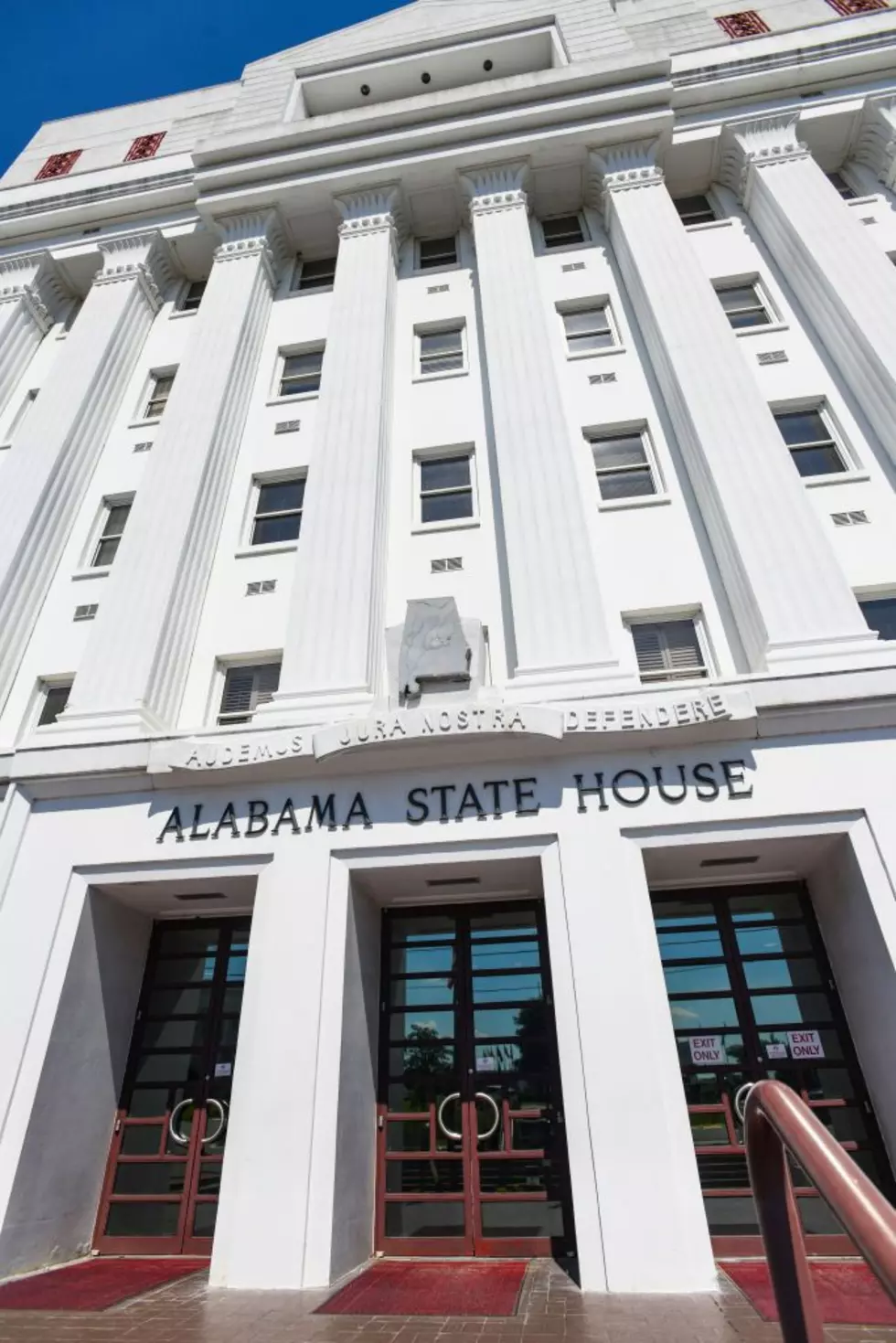
During yesterday's hearing at the statehouse committee members were obviously concerned with the long-range financial picture. They questioned future costs and the sustainability of various educational programs.
As was expected, much of the concern focused on the Public Education Employees’ Health Insurance Plan (PEEHIP). which provides health insurance coverage to Alabama’s education employees, retirees, and their dependents
The FY25 Program Cost was $1.674 Billion costs continue to rise. Retirement Systems of Alabama Legislative Counsel Neah Scott advised the committee the plan is facing a $380 million shortfall for the 2027 fiscal year, according to current projections.
One of the solutions on the table is to substantially increase employee premiums, which have remined static since 2016. Another is to raise deductibles and copayments. However, in an election year, those choices will not be popular with educators when they head to the ballot box.
Scott told the committee, rising costs are outside the state’s control, including hospital pricing and the increased use of medical services with an aging group of retirees.
What They are Requesting
The presentations made by Community College Chancellor Dr. Jim Baker, K-12 Superintendent Dr. Eric MacKey and Commission of Higher Education Executive Director Dr. Jim Purcell made it plain the cost of providing quality education is increasing in every area, not just healthcare.
Like PEEHIP, the Alabama Commission on Higher Education also asked for increased funding for the next fiscal year. The organization requested $96.3 million in total, with $87.6 million of the request coming from the ETF. 74% of the money will be used towards financial aid.
The state community college system is requesting $765.8 million from legislators. Ivey’s proposed budget appropriates $658 million to the system. For fiscal year 2026, ACCS got $622.2 million.
The Alabama Department of Education is asking for 3% increase to $957.3 million from legislators for fiscal year 2027. Ivey proposed a $755.9 million,
The cost of building maintenance and school busses continue to rise but Dr. Mackey pointed out that education is people intensive. “About 85% of our budget goes to pay for people," he told the lawmakers.
MacKey strongly emphasized the progress Alabama is making in literacy and math. He urged the committee to consider the negative impact any budget cuts could have in those areas.
The joint committee will also hear budget requests from other agencies and departments.
More From Tuscaloosa Thread