
Tuscaloosa Rep. Chris England Against “Closed” Primaries
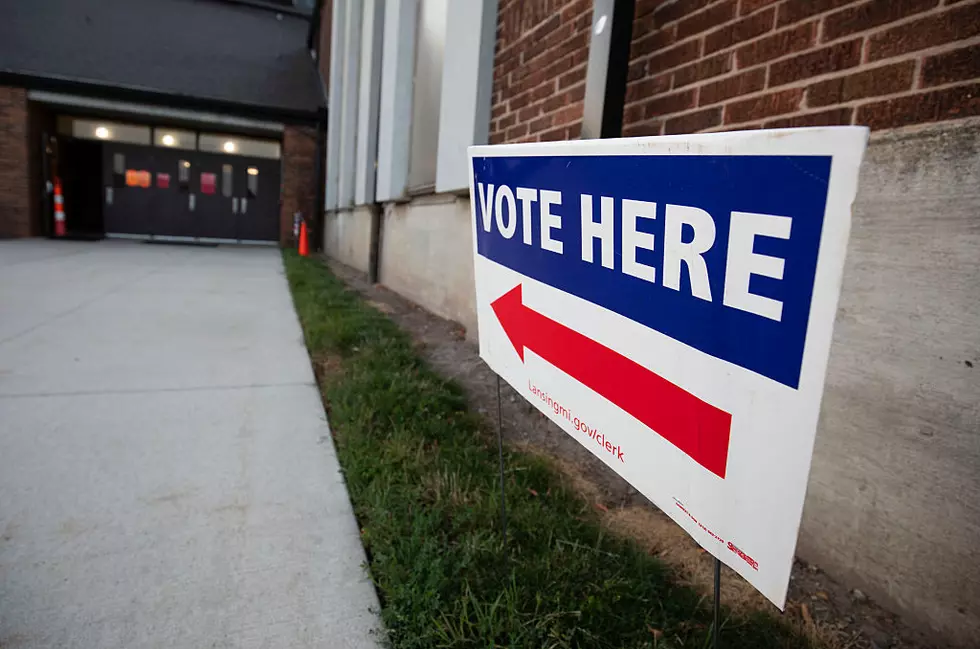
The Alabama House Committee on Ethics and Campaign Finance has moved House Bill 541 forward to floor debate. At issue is legislation backed by Republican members that would switch Alabama's party primaries to a "closed status." That would mean only voters registered by party would be allowed to cast a ballot in that party's primary elections.
The concept has supporters and detractors. Supporters claim closed primaries allow party members to select nominees that are best representative of their party and prevents cross-over voting to select a party's weakest candidate. Opponents fear closed primaries result in ideologically extreme nominees.

Bill sponsor, Colbert/Lawrence/Morgan counties Rep Earnie Yarborough (R-7), told the committee “I think it gives the most fair and honest chance of structural integrity to reinforce that party primaries are for the purpose of those parties choosing their nominees and their local and state executive committee members.”
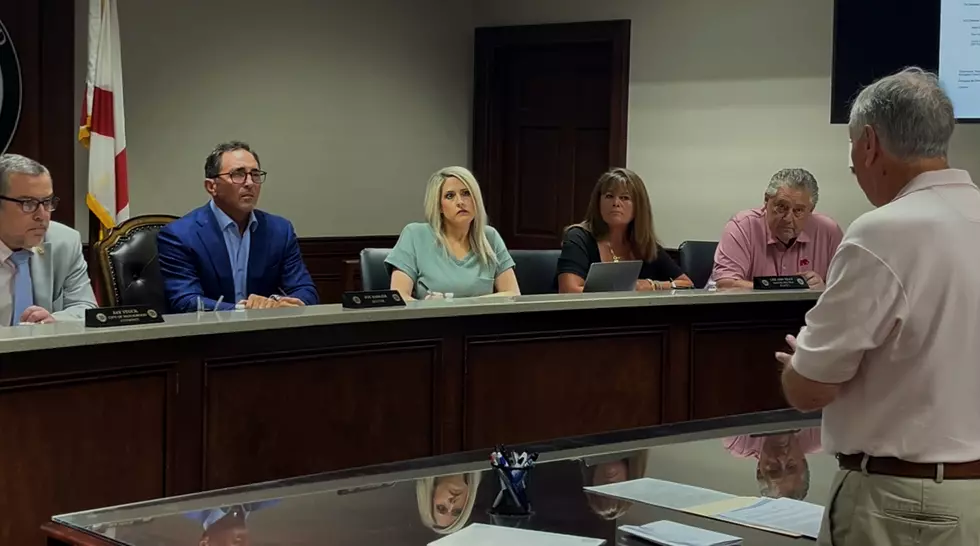
Tuscaloosa Rep. Chris England (D-70) opposed the bill, telling the committee, “Unfortunately, a lot of people who want to participate in picking the candidate they vote for in November also want to participate in that process in the primary because they want to make sure the candidate that they support is somebody they can vote for in the general, But as you told me last week, if you don’t declare a party, you can’t vote, so again, I personally believe this is a party fight that the rest of us don’t want anything to do with.”
Alabama's legislature and congressional delegation operate as a Republican "super-majority". That means that the GOP has enough legislative seats filled to override vetoes from the executive branch and overwhelm Democrat legislation. Alabama Democrats had a super-majority in Alabama until the 19080s.
Yarborough pointed out the bill does not preclude anyone from casting a vote, but they must choose their political party affiliation when they register to vote. They must vote in the same party primary for both the initial primary and any runoff. Voters can remain “unaffiliated,” but couldn’t vote in primaries.
In 18 states, at least one-party conducts open primaries, in 23 states at least one party conducts closed primaries and in five states conduct top two primaries where candidates are listed together on one ballot no matter what their party affiliation.
More From Tuscaloosa Thread