IN DEPTH: Alabama Legislature Expected To Tighten Flock Camera Rules
According to The Atlas for Surveillance Online Database, the Tuscaloosa County Sheriff's Office utilizes 30 Flock Safety automated license plate reading cameras. Tuscaloosa PD operates 19 cameras, and Northport PD purchased two Flock readers in 2020. Other West Alabama law enforcement agencies using the devices are Jasper (3) and Moundville (2).
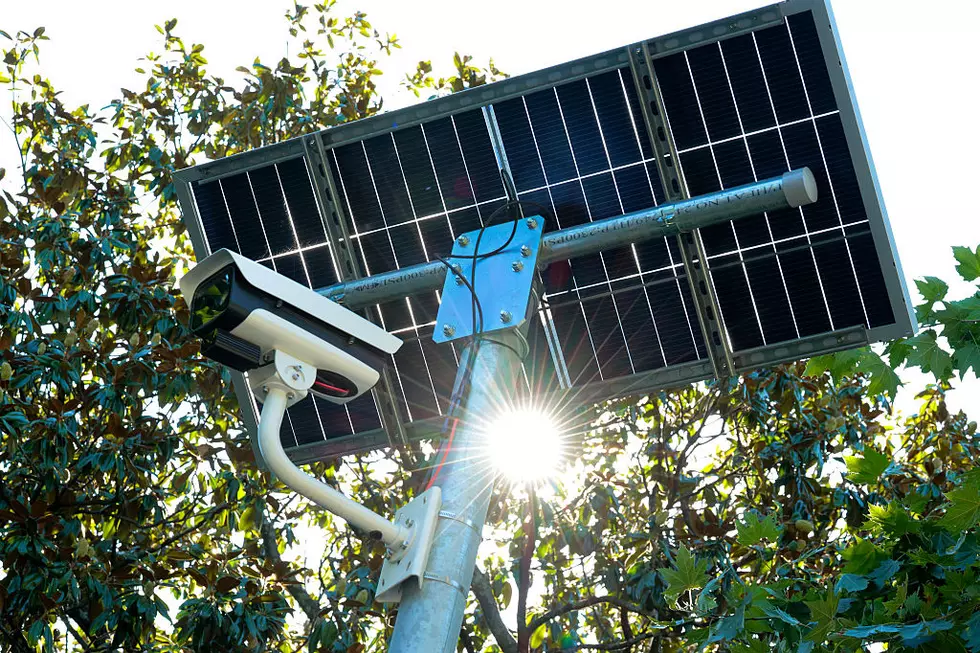
The devices log vehicle descriptions, license plates, and timestamps for crime investigation. Although the cameras have been credited with finding missing and abducted persons, crime suspects and stolen vehicles, they have also become increasingly controversial.

Alabama Legislature to Argue the Issue
Law enforcement agencies have reported hundreds of the Flock cameras vandalized, stolen, and destroyed in a growing trend across the county. That includes two Flock readers that were deliberately destroyed in Tuscaloosa County.
Sheriff's Sergeant Josh Hastings confirmed last week that a Flock camera in the northern part of Tuscaloosa County and another in the western section apparently were disabled by vandals using saws to cut the poles on which they were mounted.
Critics call the cameras law enforcement overreach, claiming they weaponize surveillance.
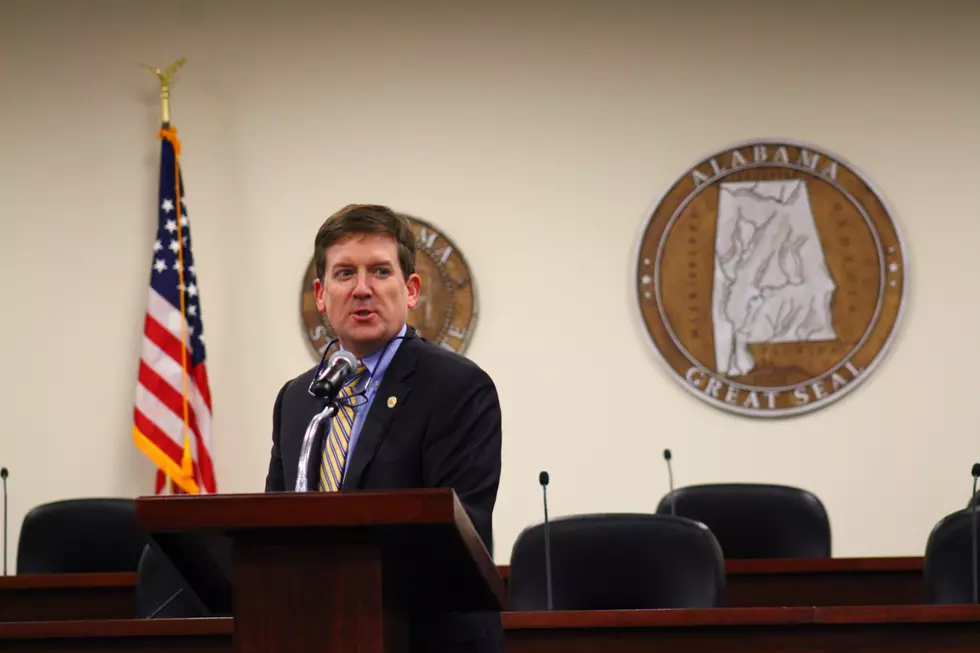
Now, some Alabama legislators are considering writing a law to place tighter controls on using the cameras, or banning them completely. Powerful Republican State Senator Arthur Orr of Decatur finds himself siding with the American Civil Liberties Union (ACLU) and the Alabama Policy Institute in addressing the controversy. He told the podcast The Rightside that restrictions placed on license plate readers by 2021 legislation did not go far enough.
"We need to tighten the screws on the license plate readers in a big way,” Orr said.
Legislators have been hearing from voters who consider the cameras to be an invasion of their privacy. Law enforcement counters with the argument that the readers have helped solve crimes that might not otherwise have been resolved and have saved the lives of missing people and kidnapped children.
West Alabama State Representative Ron Bolton (R-61), a former law enforcement officer, told Tuscaloosa Thread, "It's necessary to be certain that all law enforcement agencies have strict policy regulations outlining the authorized use of these devices and proper follow-through (discipline) for misuse."
However, he opposes an outright ban on the cameras due to documented success in helping solve crimes and finding missing people.
Tuscaloosa Rep. Bill Lamb (R-62) identified a lawmaker's dual role.
"It is my responsibility to do my best to protect the people I represent. That includes protecting their privacy and, at the same time, safeguarding their public safety,"
Lamb wrote. Like Rep. Bolton, Lamb believes there should be strict guidelines governing the camera's use, including audit trails.
Lamb expects "some type of investigation during the upcoming session." He doesn't believe they will be banned outright, "...as they have proven to be a valuable tool for our law enforcement."
Reports of Misuse Raise Concerns
Escalating the controversy has been the misuse of the cameras by some law enforcement officers across the country and here in Alabama.
Two officers, one in the Moody Police Department and another in the Springville Police Department, both in St. Clair County, have sparked outrage with reports of unauthorized use for personal purposes. The Moody officer was terminated, and the Springville officer resigned in the wake of the disclosures.
Flock Safety defends the cameras, pointing out that the officers' personal-use violations that sparked anger were detected during mandatory audits of camera logs. They say agencies must sign strict usage agreements. Flock insists the audits work.
Critics question whether Alabama has reported all misuse of the Flock Cameras, noting that Georgia and other states have reported widespread abuse. Multiple officers have been arrested for tracking girlfriends, spouses, ex-wives, family members, political figures, and private citizens.
Proponents point out that persons not breaking the law have nothing to fear from the trackers.
Stricter Governance Ahead
Only half of the states have enacted legislation regulating automated license plate readers, according to the Policing Project at New York University School of Law. Alabama is not among them.
Legislation is expected to be pre-filed soon to establish regulations for the readers in Alabama, but other bills banning them altogether are also expected. The debate next year should be significant.
Top Stories from the Tuscaloosa Thread (8/10 - 8/17)
Gallery Credit: (Stephen Dethrage | Tuscaloosa Thread)
More From Tuscaloosa Thread