
Alabama’s Economy Is Booming But Families Face Pressures
While Alabama remains more affordable than the national average, state residents are still facing "soaring" housing costs, elevated transportation expenses, high electrical bills and rising food prices. Prices may be lower in Alabama but so are salary averages. The burden is, obviously, even greater on persons living in economically stressed areas of the state.

A breakdown from recent studies reveals what is draining you bank account most:
- Despite being roughly 37% lower than the national average, research by the University of Alabama Center for Real Estate finds housing costs are still rising, with median home prices appreciating by 7% in Tuscaloosa as of March. Demand is down by 13% while supply is up 11%.
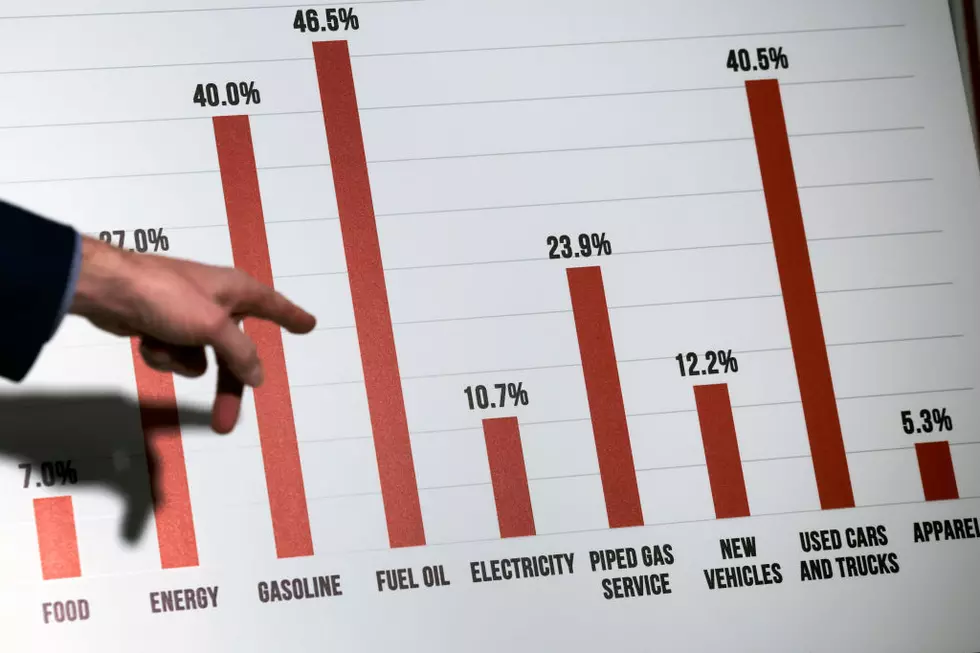
- A trip to the gas station these days can be traumatic with $60 to $70 fill-ups, even more if you are buying diesel. While the national average has soared to $4.11 on average for a gallon this morning, Alabama stands at $3.84. That is a 20-cent per gallon average increase in the last week and 87-cent above last month.
- Some have suggested while gas prices continue upward that Gov. Ivey should suspend the gas tax which helps fund state roadwork.
- Alabamians pay among the highest in residential electric bills in the nation, frequently ranking third highest, according to data from the U.S. Energy Information Administration (EIA). $500 monthly bills are becoming the norm.
- Alabama Power has stated that high costs are due to investing in infrastructure for reliable service, including dealing with severe weather.
- Many residents and some lawmakers are concerned the powerful utility may wield too much power with the Alabama Public Service Commission. That has sparked a couple of bills this session dealing with the side of the PSC and how it is comprised (elected or appointed).
- Then there are groceries, a recent study by personal finance website Wallet Hub, analysed the prices of 26 commonly purchased grocery items nationwide. They found Alabamians pay the sixth highest for a trip to the grocery store in the nation. They found the average Alabama resident pays 2.33% of their household income on groceries each month. That percentage is higher in poorer regions of the state. Alabama is ranked among the top states for high fast-food expenses, with prices up roughly 47% over the last decade.
- Local food trucks and breweries are facing significant, rising costs, forcing price hikes and menu changes.
- Restaurant owners are also seeing increased credit card transaction fees, further increasing their costs.
While some may not be experiencing wallet drain, hardworking families, some forced to work multiple jobs, in Alabama are falling behind due to increased costs for essentials. Added to the cost-of-living is the prospect of nearly 130,000 Alabamians losing health coverage or facing doubled premiums following the expiration of enhanced tax credits for Affordable Care Act (ACA) plans and it's easy to understand the concern they are facing.
The economic news in Alabama is not all bad. The state's economy is considered strong and experiencing historic momentum, characterized by record-breaking economic development, low unemployment, and significant investments in key industries.
More From Tuscaloosa Thread