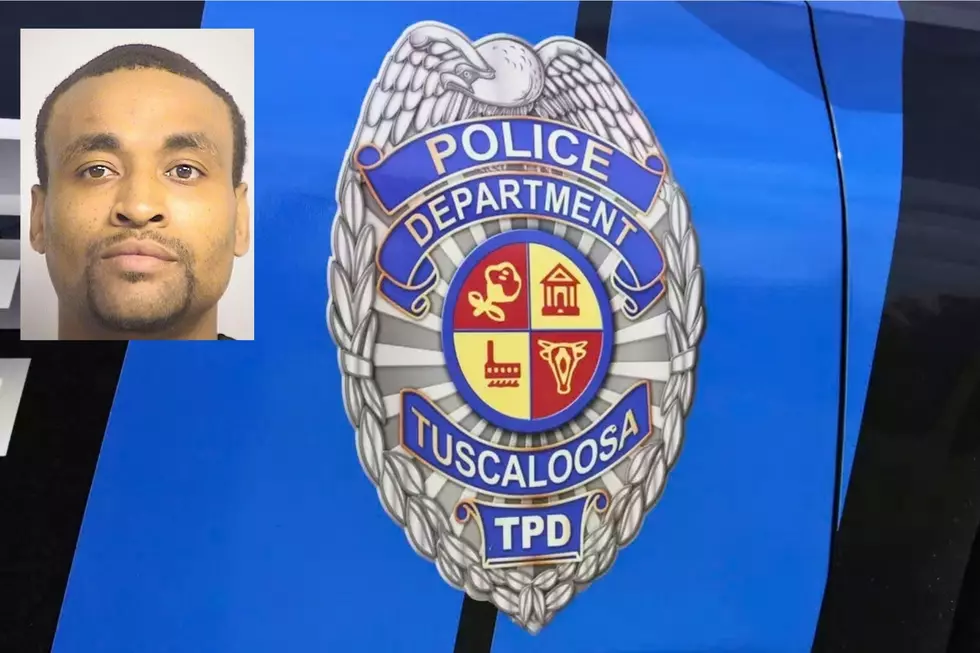

Tuscaloosa’s Head of Public Safety Keeps Overtime, Despite New Law, After $45,000 Raise Dies
Tuscaloosa's executive director of public safety will remain eligible for overtime pay, after a massive raise for the position's base salary died in committee Tuesday and the city council deadlocked on a separate measure to end the overtime itself.
Mayor Walt Maddox, who does not usually have a vote on council matters, broke the 3-3 tie in a similar scene to when the position was created. This new role oversees the city's police and fire departments both, as well as its E-911 service.
The effect is that former TPD chief Brent Blankley, who has held the EDPS job since January, keeps overtime eligibility he would otherwise have lost.
The city had pursued the changes as a package: strip overtime from the position, then raise its pay grade so Blankley, who earned tens of thousands of dollars each year in overtime as police chief, would not be taking an overall pay cut in the EDPS job. The raise would have seen Blankley's salary soar from $184,596 to $230,000 with room left to climb on an amended pay scale.
Removing the overtime seemed to be required by House Bill 160, which was requested by city officials, then sponsored by Northport Representative Ron Bolton. The bill amended two older laws about giving overtime pay to sworn police officers and firefighters to specify that "an individual employed as the City of Tuscaloosa's Executive Director of Public Safety shall not be eligible for any overtime pay or compensatory leave provided under this section." It passed the Legislature, the governor signed it into law and the act takes effect on October 1st.

And yet, after weeks of debate over the proposal to give Blankley a more-than-$40,000 raise less than a year into the job, the council's public safety committee allowed the pay changes to die Tuesday. Councilwoman Raevan Howard made a motion for the salary increase, but no other committee members would second it.
Then, in the full meeting of the city council, Joe Eatmon, Raevan Howard and Cassius Lanier voted against stripping overtime from the executive director of public safety. Richard Henry, Lee Busby and John Faile voted yes. Because the death of council president Kip Tyner has left a vacancy on the seven-member council, the 3-3 tie was broken by Mayor Walt Maddox, who voted no.
If that vote seems in opposition of HB160, at least one city councilman also thought so.
"I just have a question about this. I want to make sure we understand what we're saying," John Faile asked before the vote. "Is this to overrule the state law that was just passed and signed by the governor?"
City Attorney Scott Holmes said it was not, and a city spokesperson explained the legal mechanics to the Thread Friday.
State and federal law set the rules for when overtime must be paid, the spokesperson said, but neither prohibits the city from choosing to pay overtime when it is not required.
Under Alabama Act 80-356, any sworn law enforcement officer who works more than eight hours in a day or 40 hours in a week must receive overtime pay. HB160 exempts the executive director of public safety from that compulsory requirement when the new fiscal year begins on October 1st.
But the spokesperson said the exemption does not prevent the city from paying overtime to the position under the Fair Labor Standards Act and as determined by city code.
In other words, the city's interpretation is that the legislature removed the mandate for Blankley's overtime, but left some discretion in council hands.
In a statement Friday, Maddox traced the arrangement back to two meetings last fall.
"At the October 21, 2025 Administration and Policy Committee meeting, and the November 4, 2025 Finance Committee Meeting, the consensus was clear. First, the City would request a legislative amendment to exempt the Executive Director of Public Safety position from overtime. This ultimately led to the passage of HB 160," Maddox said. "Second, at the appropriate time, the pay plan would be adjusted so that the newly exempt role would not face a significant reduction in pay if an internal candidate was selected."
Maddox, who cast the deciding vote against stripping the overtime, tied the outcome to the failed raise.
"As agreed to last year, during the fiscal year 2027 budget process, we presented the proposed pay plan adjustment to ensure the new Executive Director of Public Safety did not take a pay cut for a promotion," the mayor said. "Because that agenda item was not moved forward from committee to Council, the position will remain overtime-eligible."
Asked about the $10,000 cap on first-year overtime that the council attached to the position when it was created last November, the spokesperson said there is no legal limit on the amount.
Blankley, who made tens of thousands of dollars in overtime every year as chief of the Tuscaloosa Police Department, appears set to do so again as EDPS, where his base pay is close to $190,000.
Rep. Ron Bolton, the sponsor of House Bill 160, told the Thread he only introduced it because the city asked him to.
“I carried HB160 at the request of the City Council. And of course, if it needs to be corrected to accomplish their goal, I’ll be glad to carry a bill to make corrections," Bolton said. "I’d suggest the City request an Attorney General’s opinion on it’s applicability before we do so, though."
For more coverage of City Hall, stay connected to the Tuscaloosa Thread.
Top Stories from the Tuscaloosa Thread (9/14 - 9/21)
Gallery Credit: (Stephen Dethrage | Tuscaloosa Thread)
More From Tuscaloosa Thread