
28 Cyclosporiasis Cases in Alabama, One in West Central
UPDATE: ADPH has added seven more Cyclosporiasis cases to the current total in Alabama this afternoon.
The Food and Drug Administration has backed off from their earlier declaration that a sample of lettuce from Taylor Farms tested positive for Cyclospora. They now say the test should be considered a false positive following an additional laboratory review.
The FDA now reports no product samples produced a confirmed positive result for Cyclospora as of Sunday.

As the search goes on for the origination of the parasite caused intestinal illness, more cases are being reported by the Alabama Department of Public Heath (ADPH). While not a significant outbreak, ADPH reports 21 cases have been positively identified in the state.
Most of the Alabama cases are concentrated in the Northern ADPH Health District. There is one identified case in the agency's 11 county West Central District, which includes Bibb, Fayette, Greene, Hale, Lamar, Perry. Pickens, Sumter, Tuscaloosa, and
Walker counties.
Cases of Cyclosporiasis, an intestinal illness caused by the parasite Cyclospora cayetanensis are not unusual in Alabama. The illness appears from time to time, usually linked to contaminated fresh produce. The cases typically follow national patterns with sporadic infections or small clusters linked to produce distributed regionally.
“People can get infected by consuming food or water that is contaminated with the parasite,” said DeJuana Grant, epidemiologist with ADPH. “Choosing locally grown produce or growing your own can help minimize risks of developing cyclosporiasis and also choosing frozen produce as an alternative can lower the risk.”
According to the Centers for Disease Control (CDC), symptoms usually begin about a week after exposure and can last for weeks without treatment: Those symptoms include watery diarrhea (often persistent), loss of appetite, weight loss, stomach cramps, bloating, nausea, and or fatigue.
Cyclosporiasis requires special antibiotics. Over‑the‑counter medications will not clear the infection.
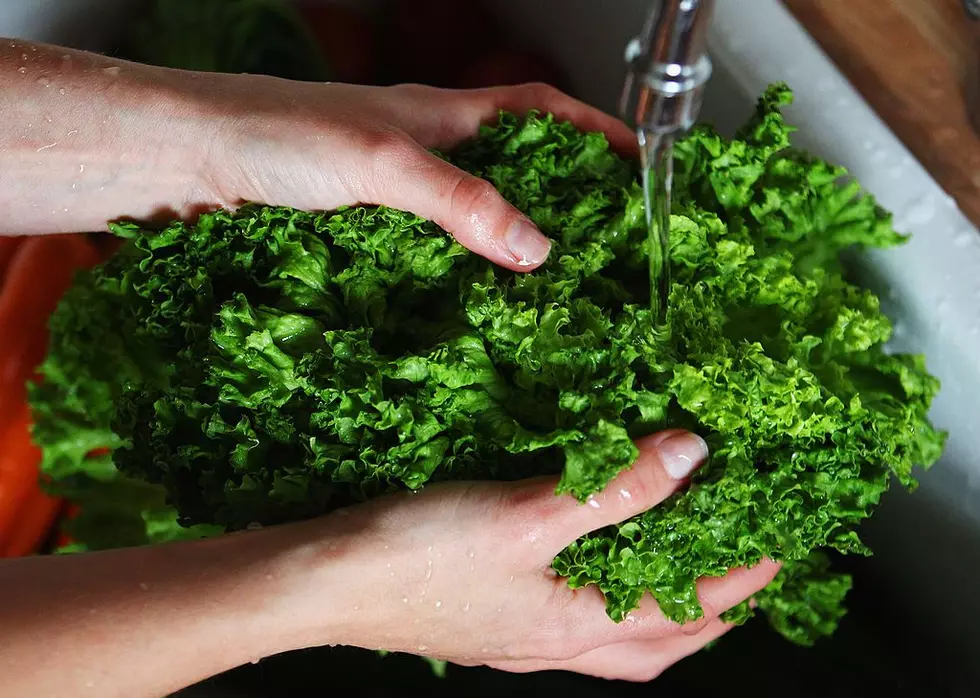
Consumers are urged to wash and refrigerate all fresh fruits and vegetables thoroughly, discard outer leaves of lettuce, by local farm produce, monitor for any recalls from your grocery store.
ADPH Chief Medical Officer Dr. Karen Landers says cooking kills the parasite because it is very sensitive to heat.
Persons experiencing symptoms should report it to the doctor immediately.
More From Tuscaloosa Thread